Future Species Habitat
As robots move beyond the laboratory and into the real world, the spaces they need are more than showrooms for technical achievement.
As Unitree's first intelligent experience store in the world, the space is a key point of contact between the brand and the public: a stage for robot demonstrations, performances and interaction, and a place for technology education, industry exchange and retail.
For a robotics brand known mainly through its technology and products, a first physical space translates its identity from digital media into a real environment. The robots' abilities and ways of moving, and the changing relationship between people and robots, all need a more direct expression in space.
Beyond displaying products, the space builds a spatial language of Unitree's own, so that visitors form a full and concrete picture of the brand as they enter, watch and interact.
So the starting point was not simply to create a futuristic technology space, but to ask a deeper question: when a robotics brand enters the real world, what identity should it take on? And in what kind of place should people and robots meet?
Chapter 1 · Futuristic × Vitality
Futurism is Unitree's natural visual language. Silver metal, precise structures and even, uniform light set the tone of the space.
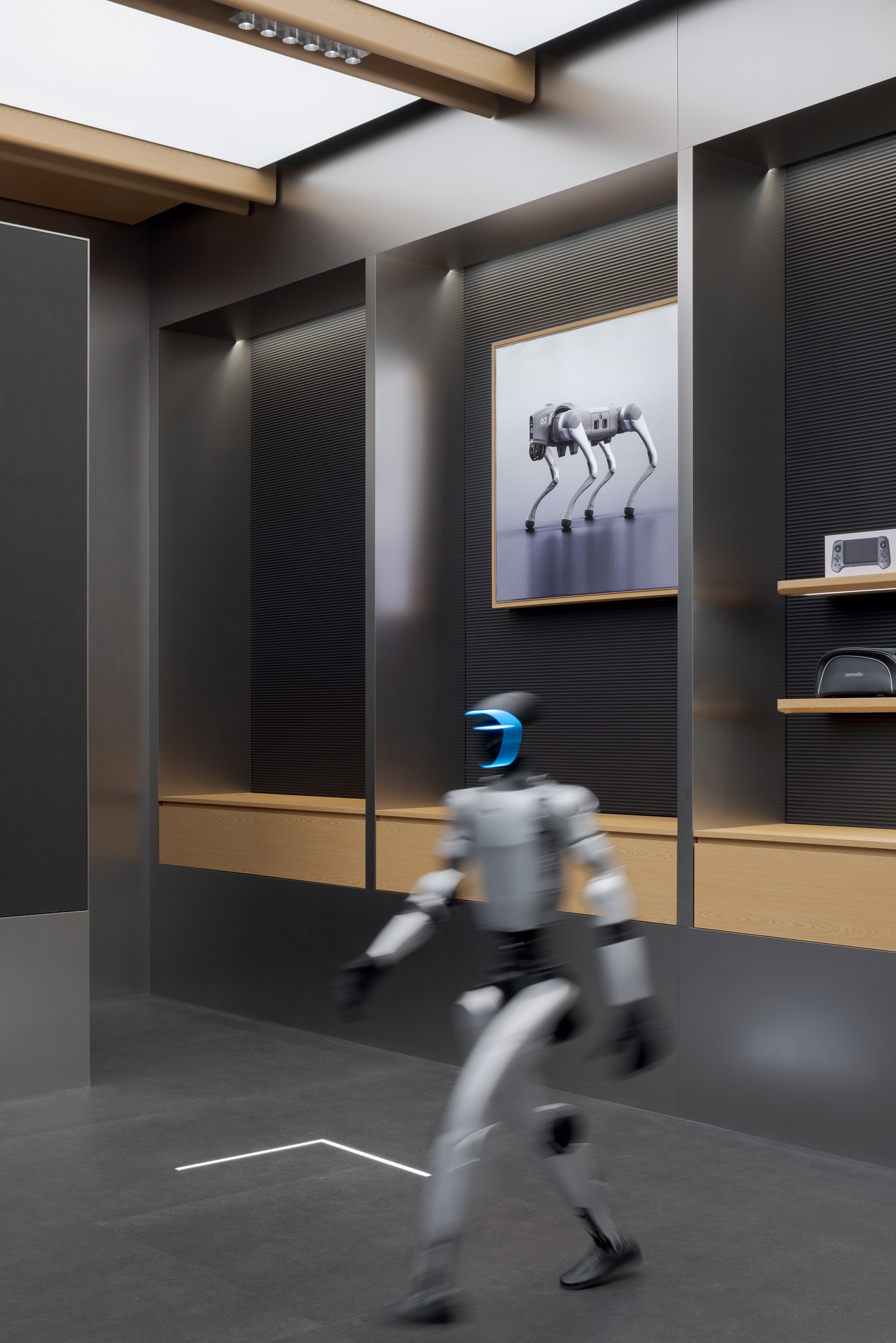
Yet for Unitree, technology is never static. Quadruped or humanoid, its robots are defined by lifelike movement: mechanical structures form the body, algorithms drive behaviour, sensors keep reading the surroundings, and the robots answer the real world by walking, running, jumping and interacting.
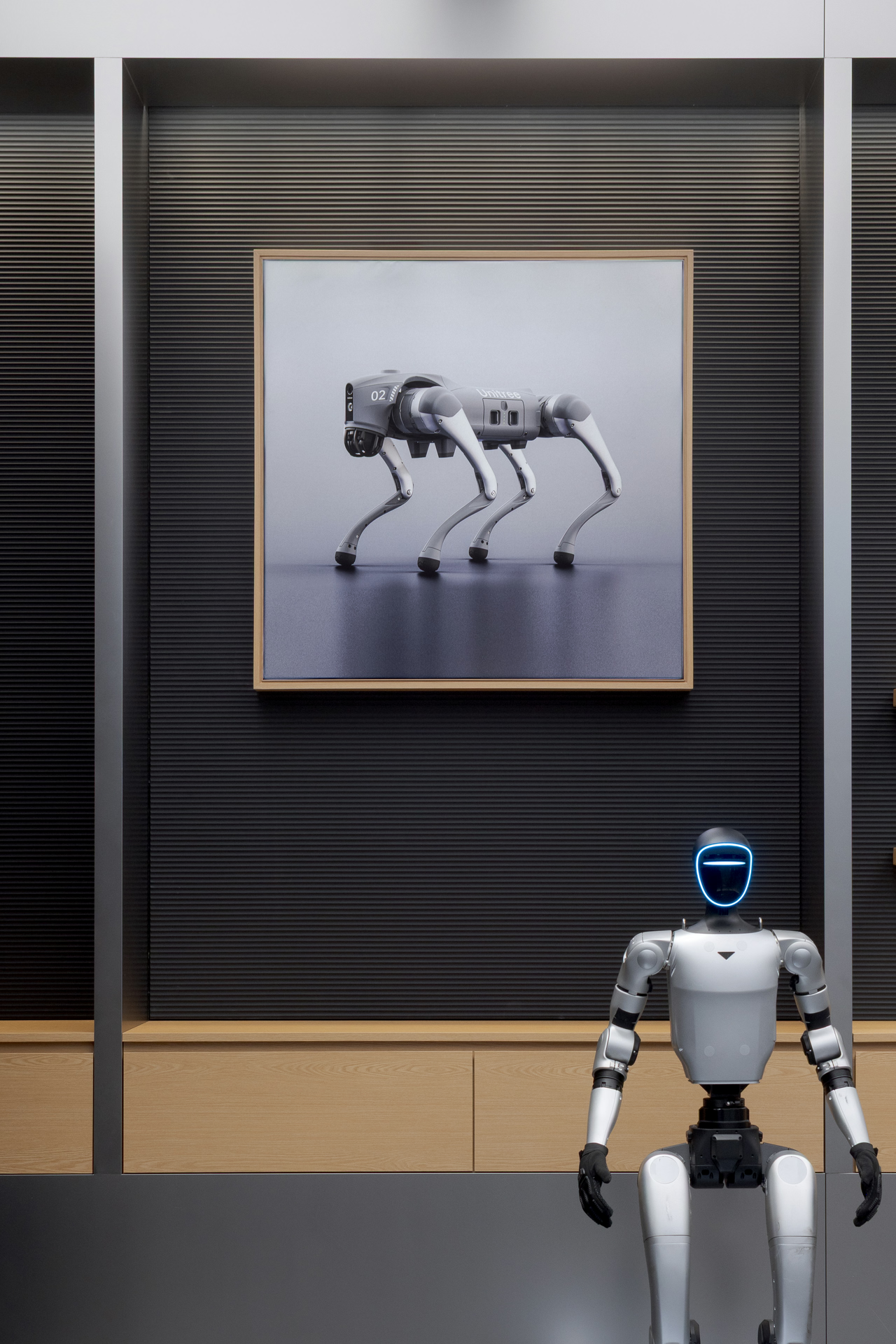
We therefore placed Unitree's spatial identity between futurism and vitality. Futurism gives the space its clear, rational framework; vitality enters through more organic forms, the warmth of wood, and the robots' constant movement and interaction.
Together, they turn the space from a static showcase of technology into a future scene that is already under way: one that senses, responds and acts on the physical world.
The store becomes a real interface where the digital and physical worlds meet: a place to imagine the future of technology, and a place where digital intelligence enters everyday life in ways you can see, feel and interact with.
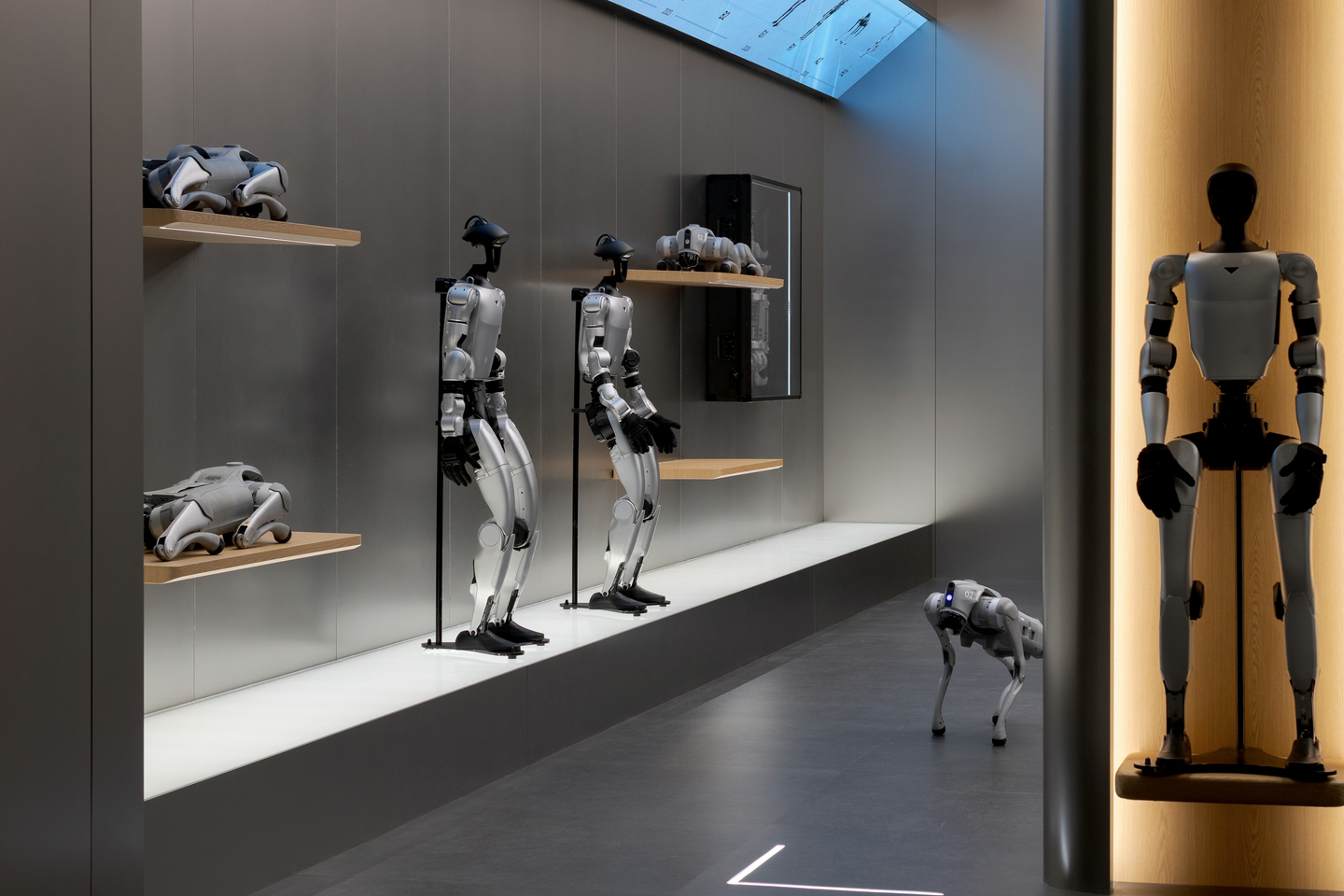
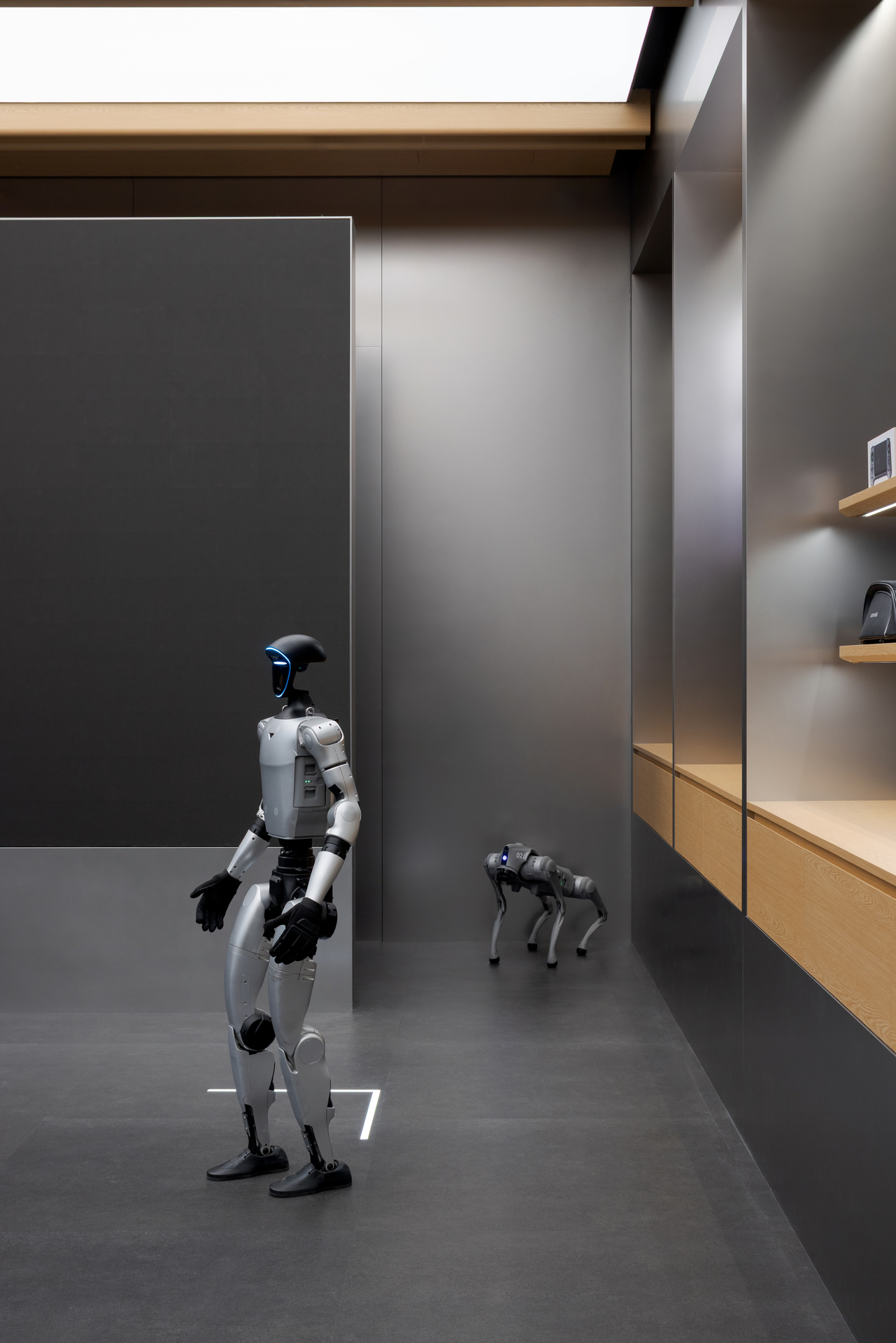
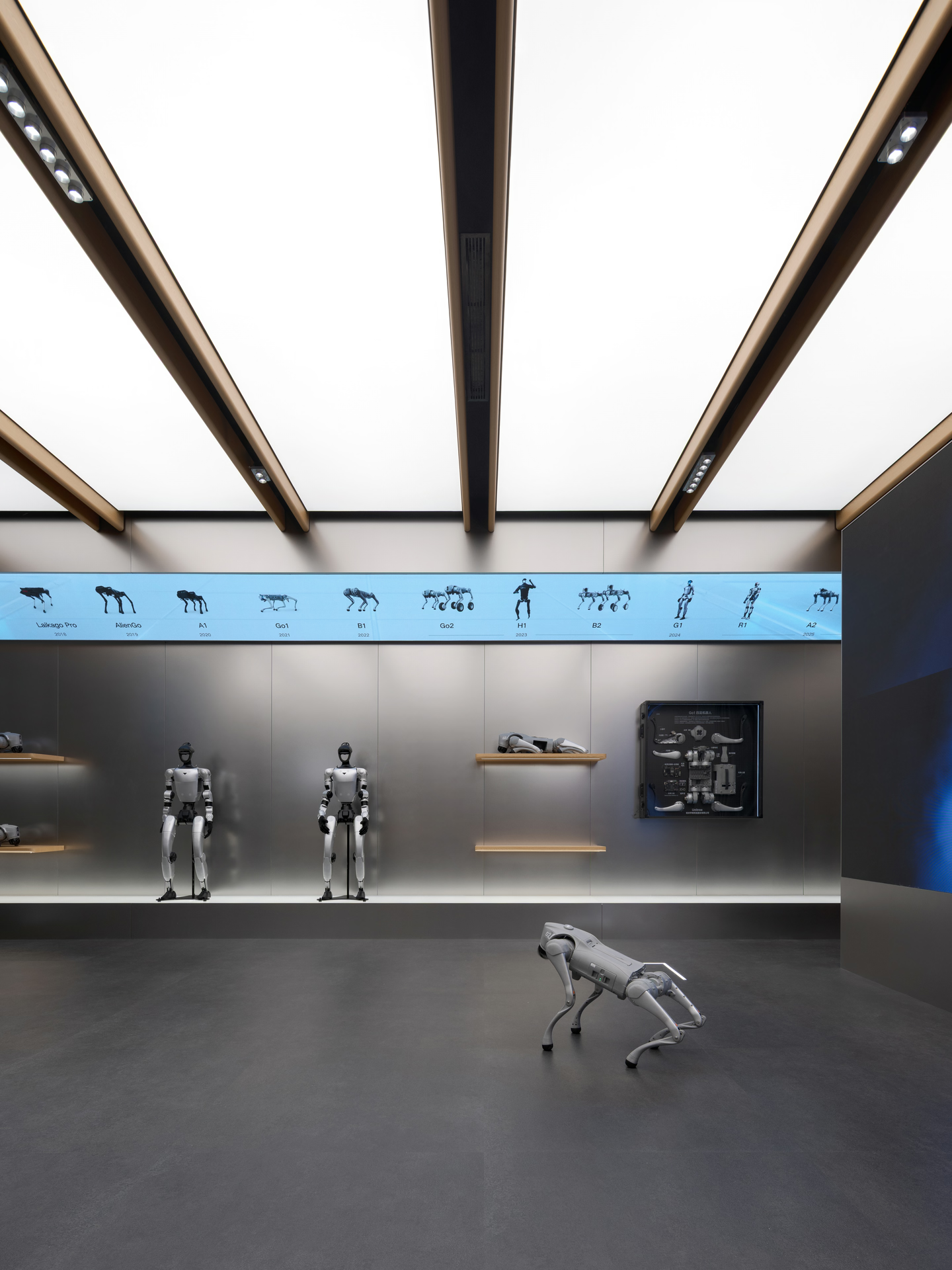
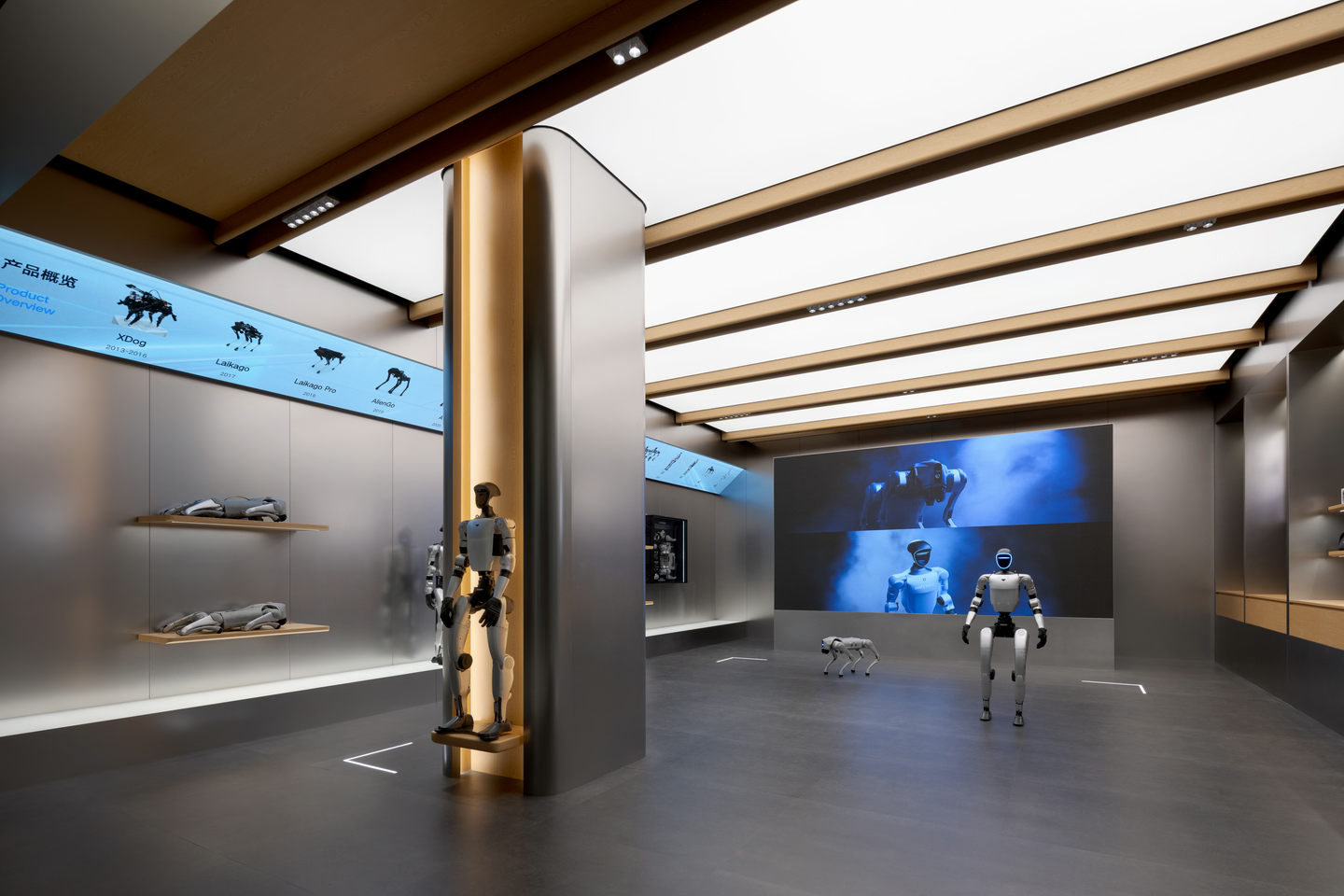
Chapter 2 · A Slice of the Future
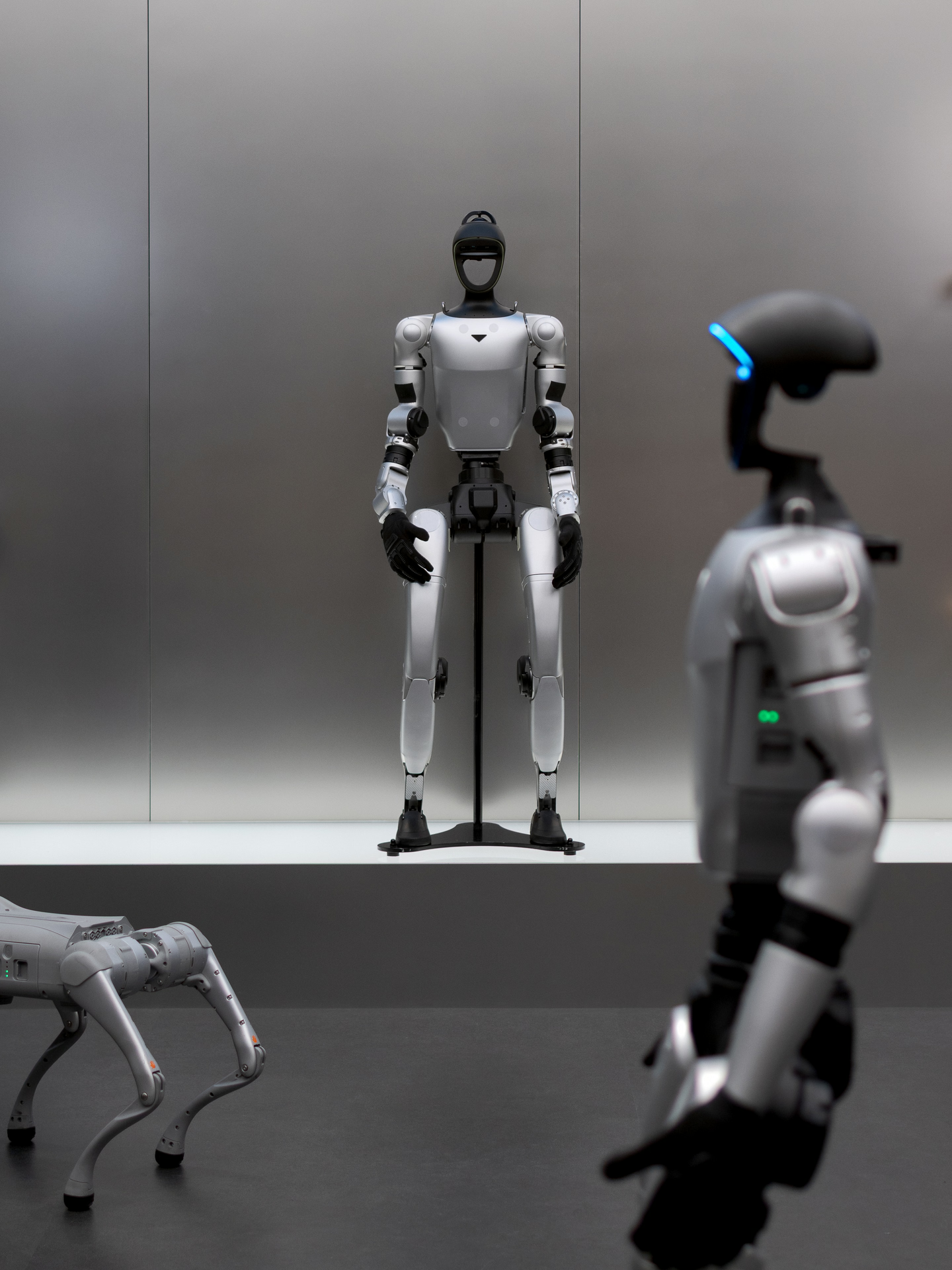
Imagine robots no longer as new mechanical tools, but as an intelligent "future species" that is still evolving. The model of the technology showroom changes with them. Rather than a display case for robots, we set out to create a habitat for this imagined future species.
The space works as a technological container that never stops running. Robots are displayed here, but they also walk, move, sense and respond, and visitors share the same physical ground with them.
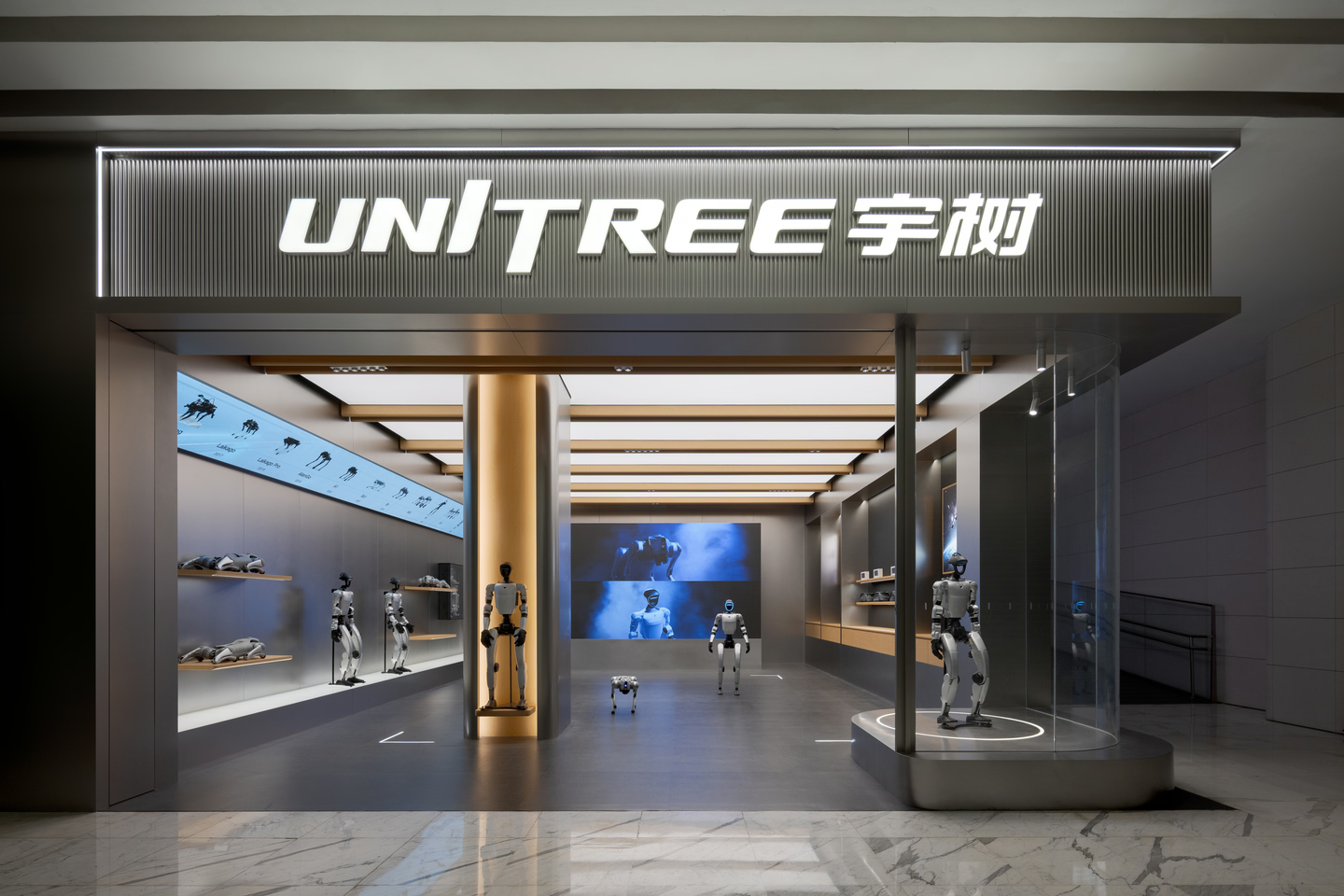
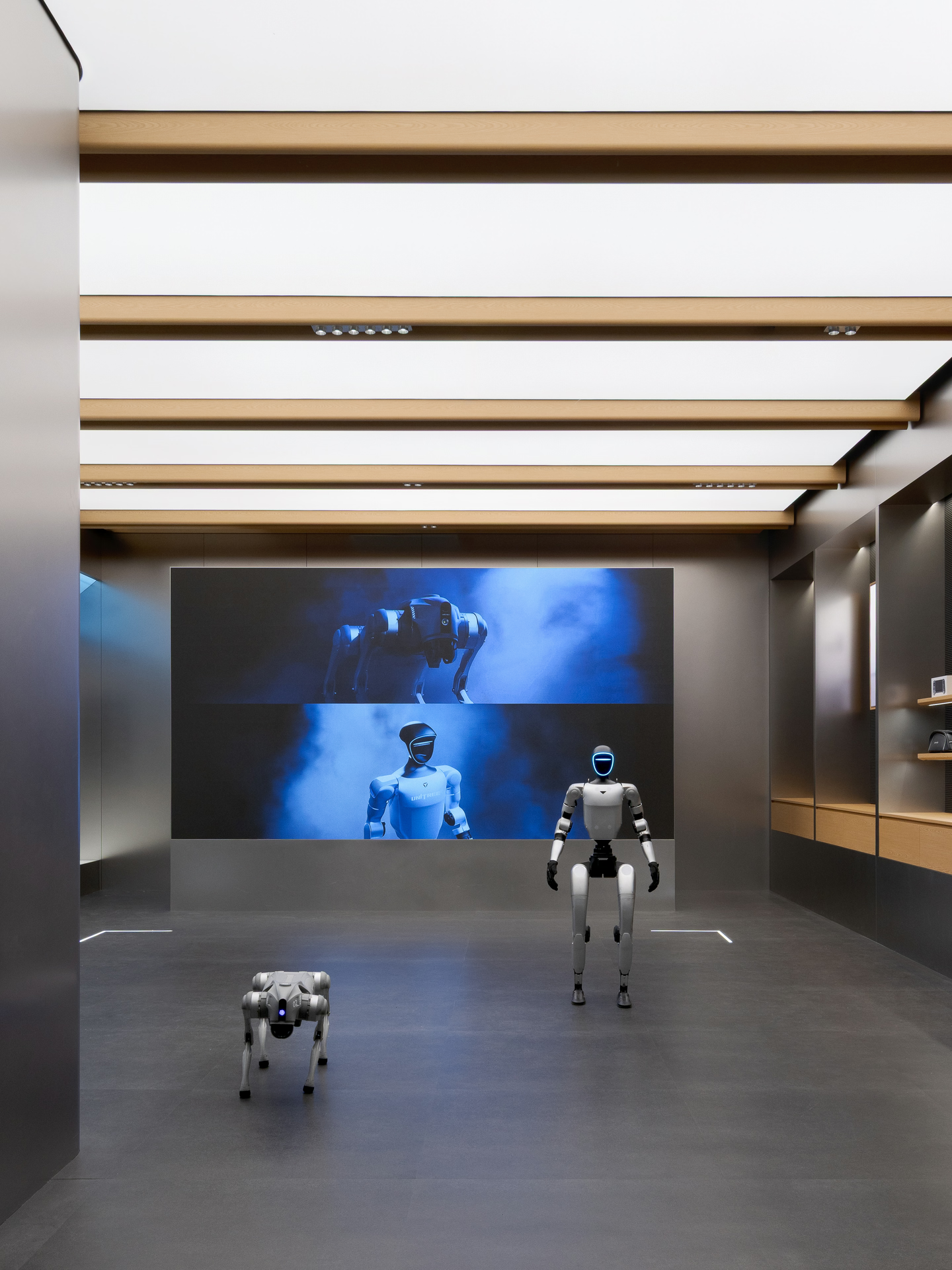
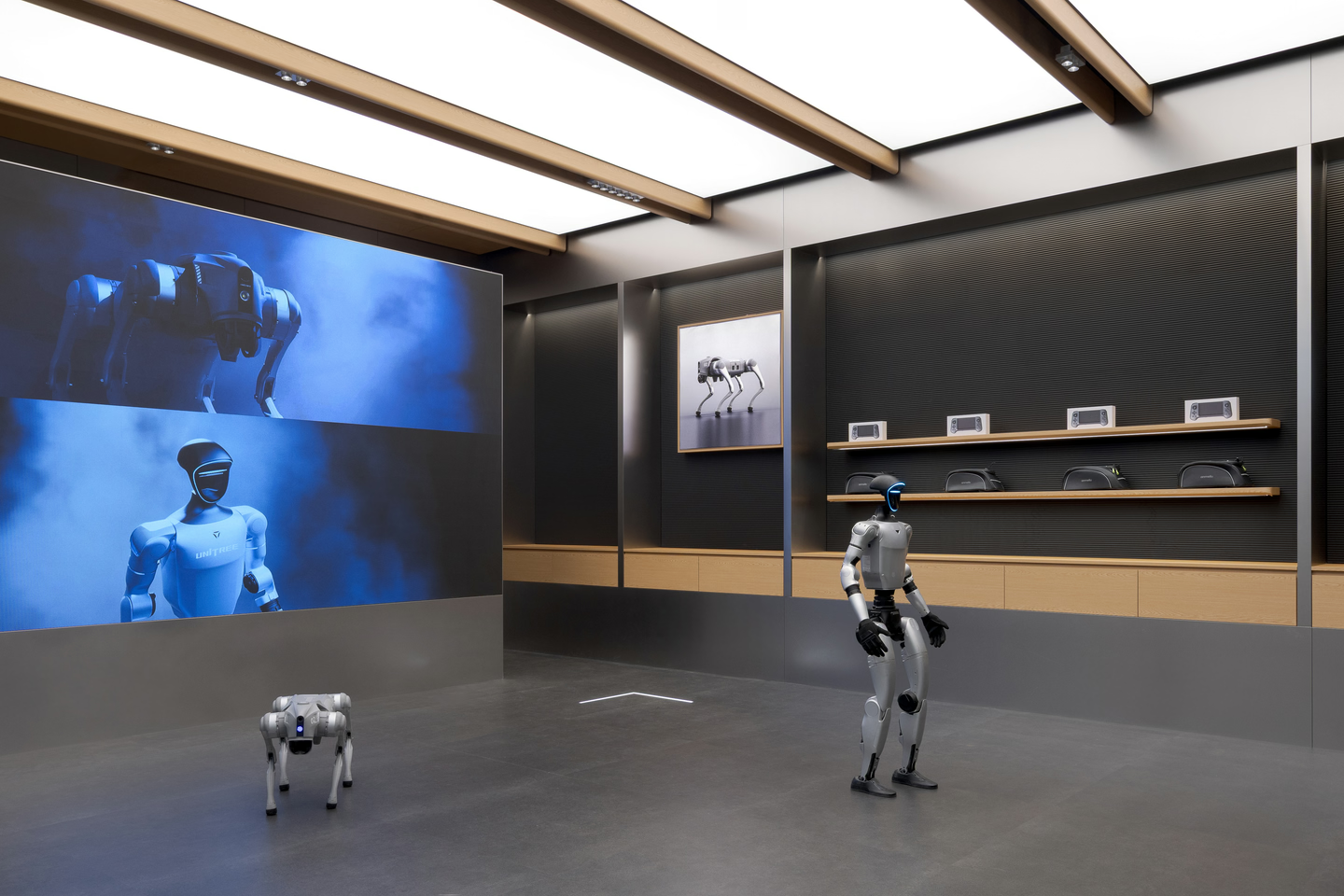
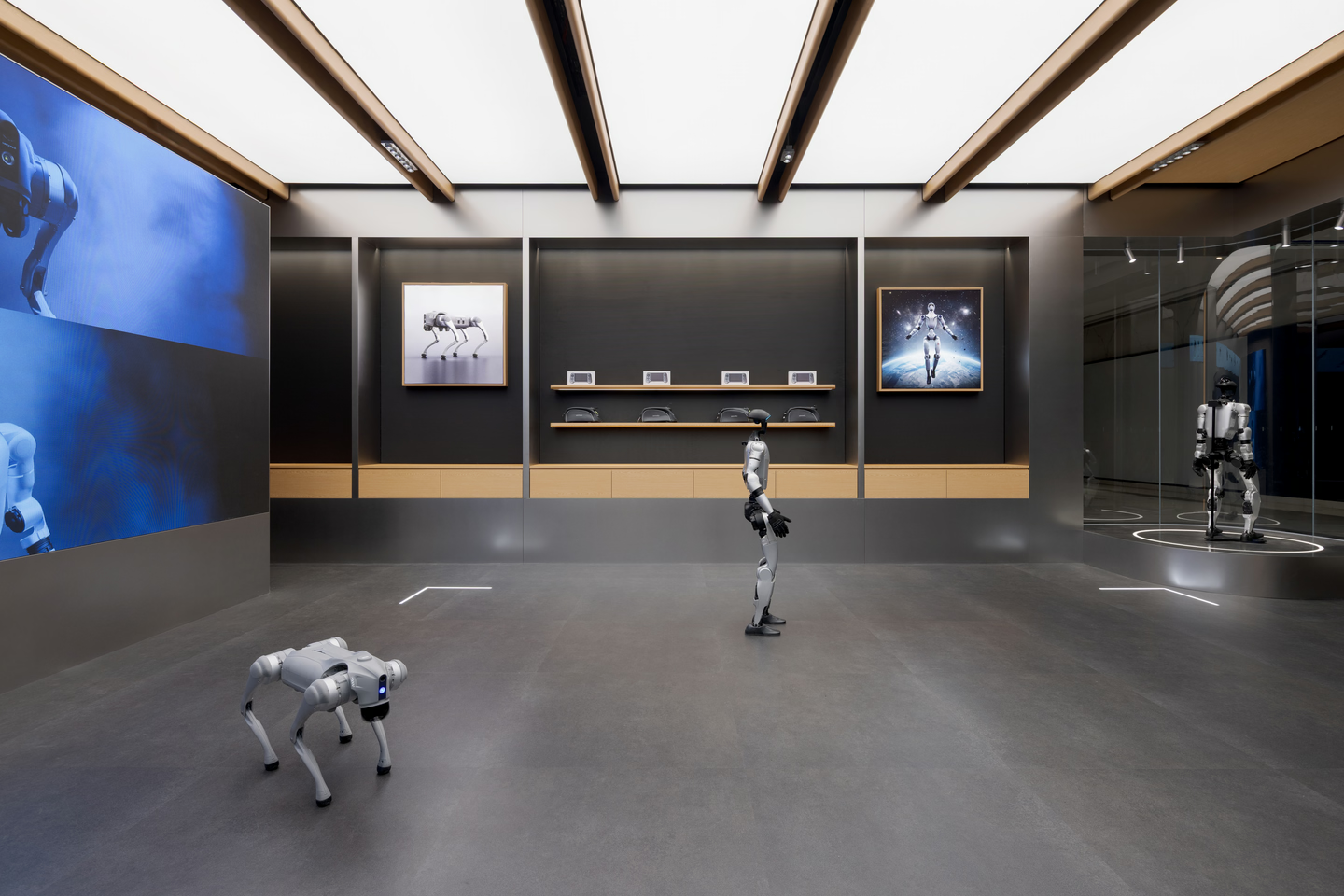
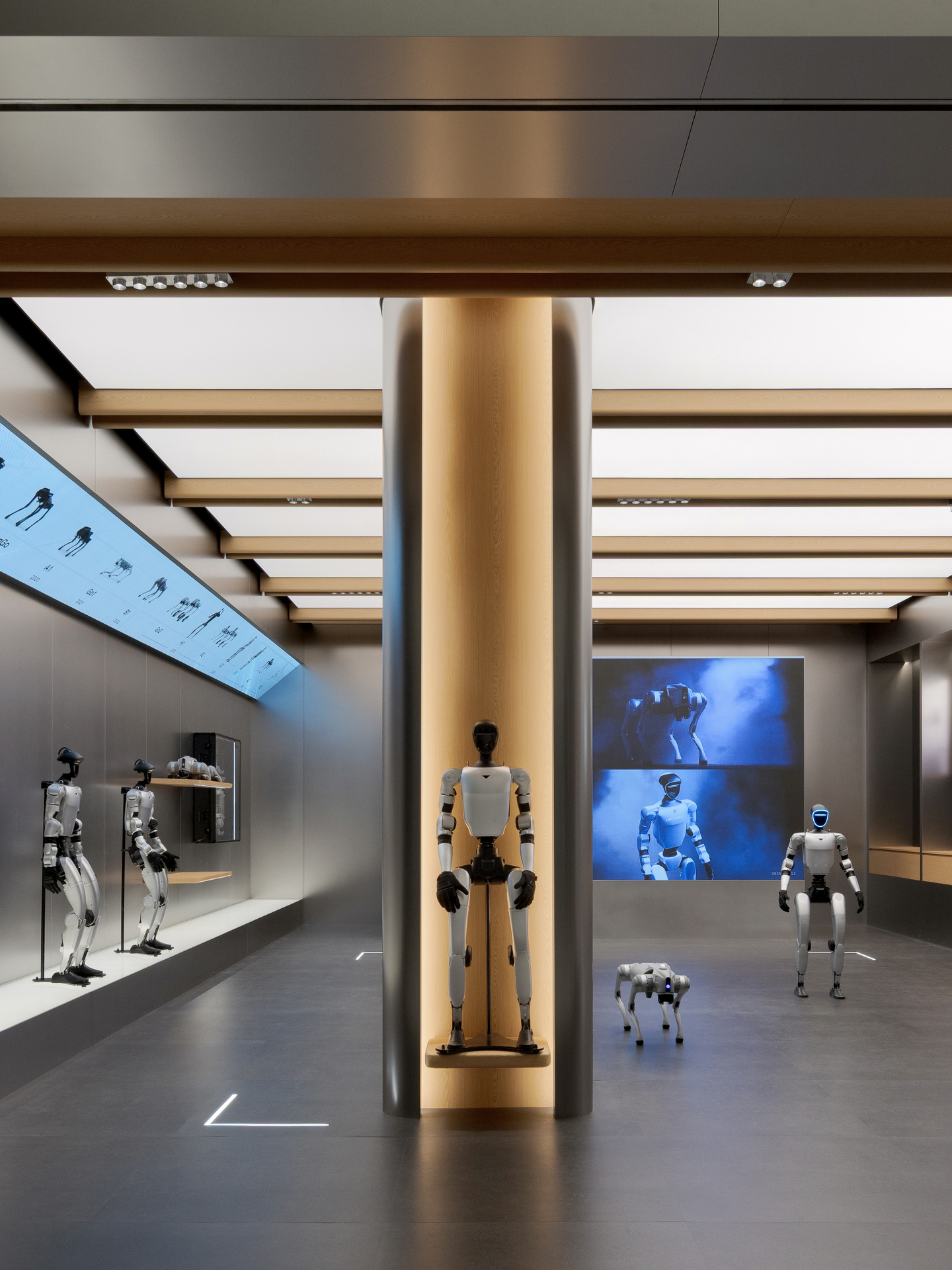
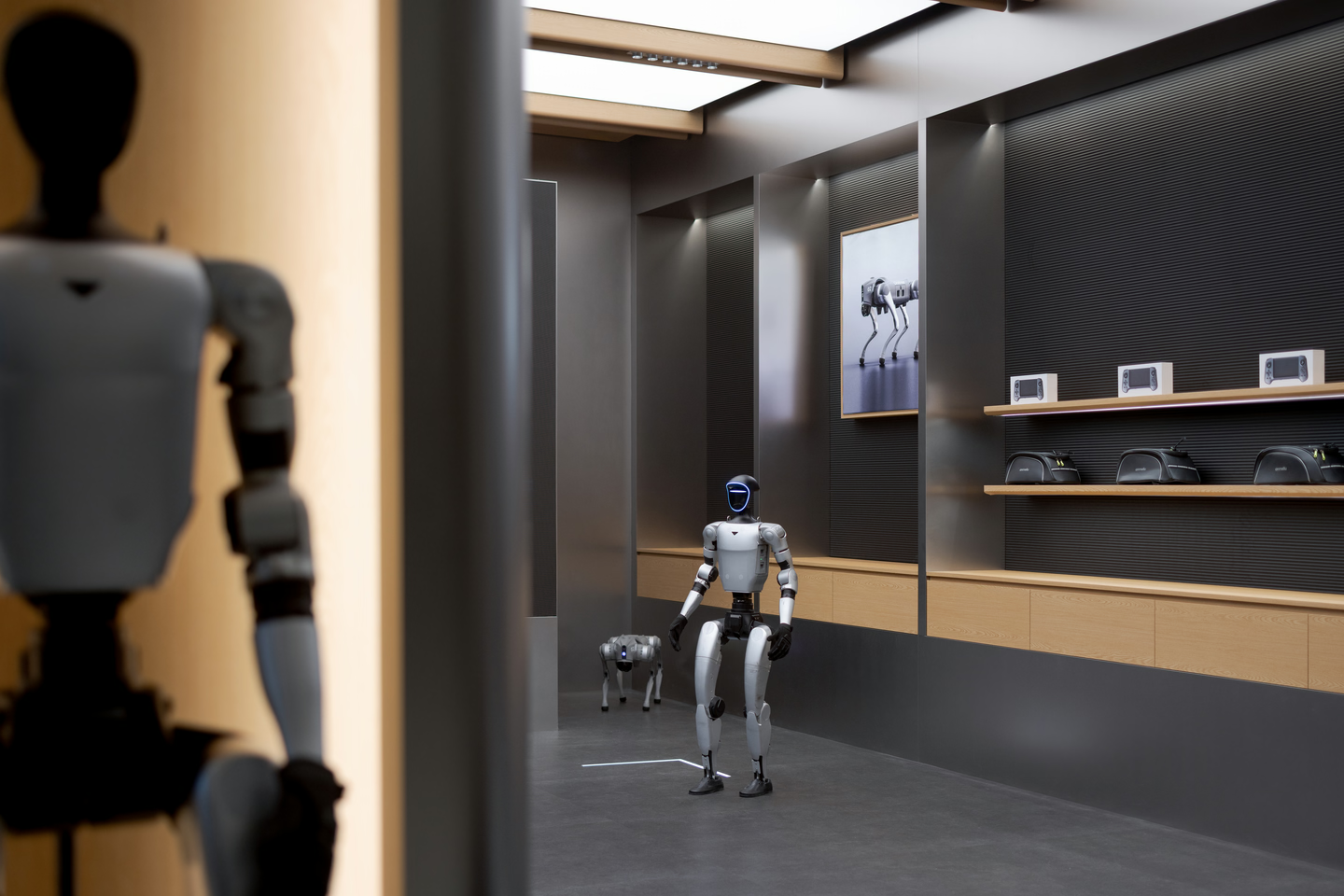
About 60 per cent of the floor is therefore given to a central arena, live robot demonstrations and interactive experiences. Unlike conventional retail built around shelves and product density, the store deliberately keeps a large open area where robots can walk, run, perform martial arts and carry out other complex moves.
Visitors' eyes no longer rest on fixed exhibits but follow the robots across the room, so movement itself becomes the space's main visual content. Technology is not pressed on visitors through screens and information panels; it unfolds step by step as they watch, approach, interact and understand.
The whole space becomes a slice of the future: an everyday scene from a world where people and robots already live together, brought forward into today. To walk in is to step, for a moment, into that future.
Chapter 3 · Technology × Organic
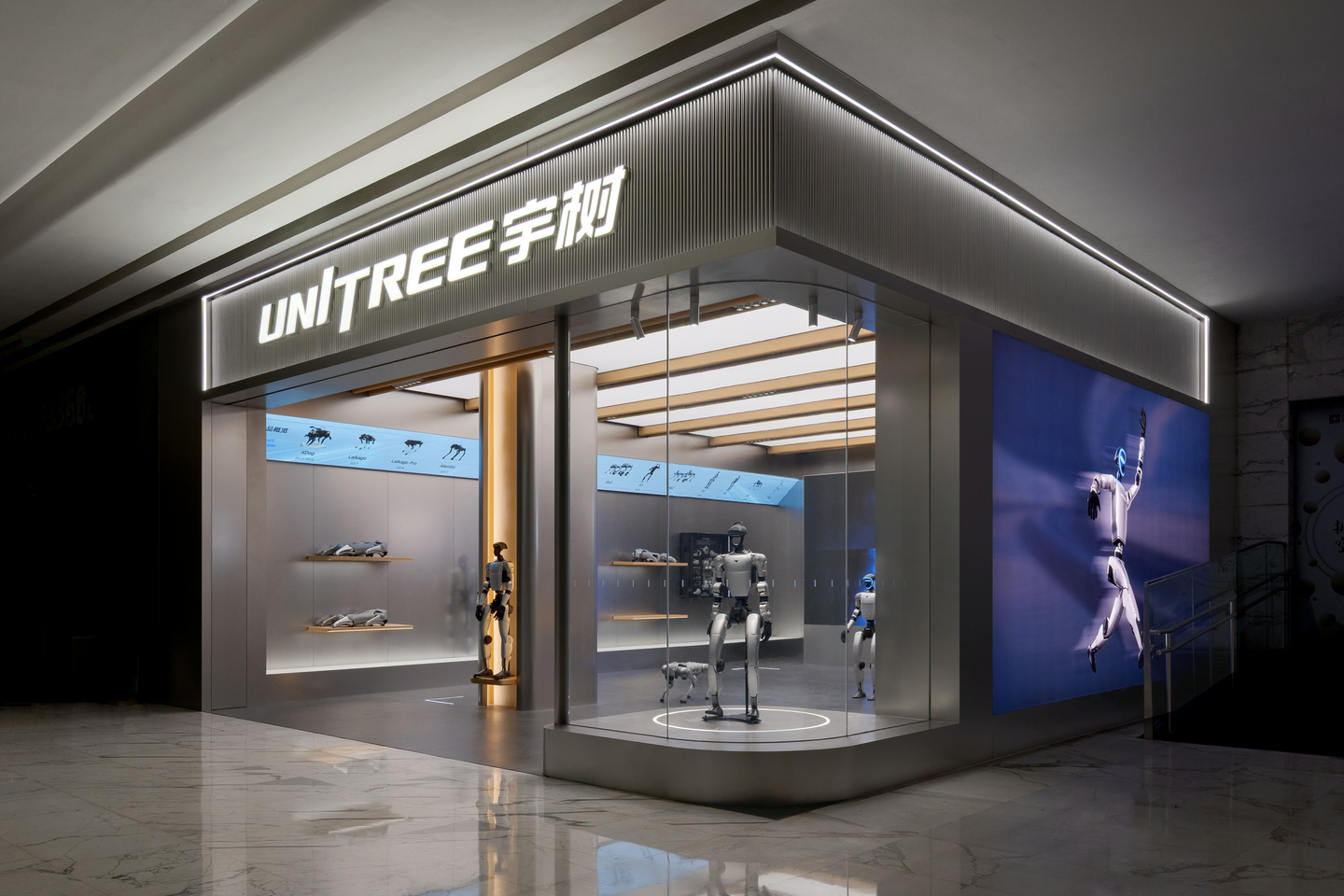
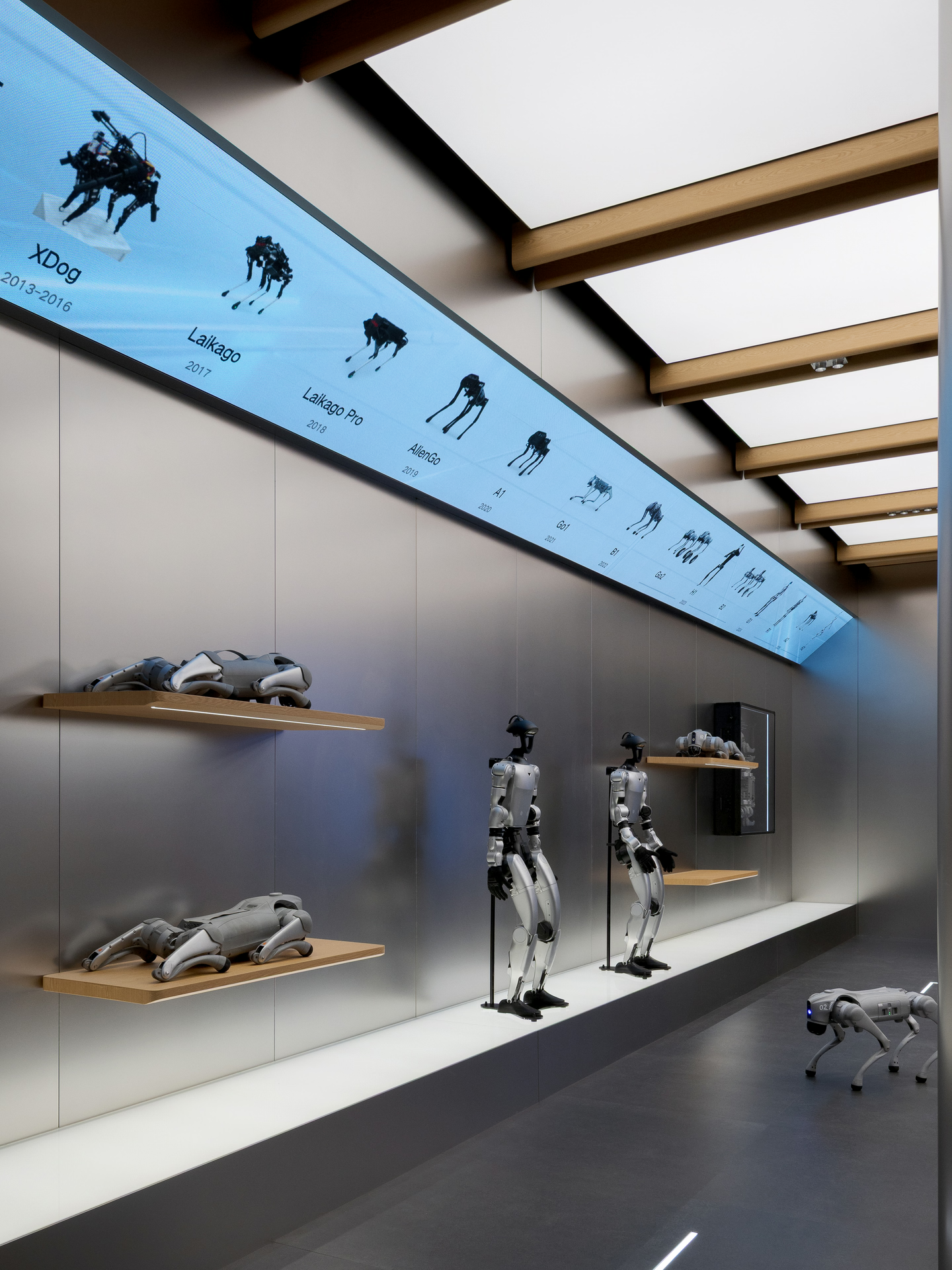
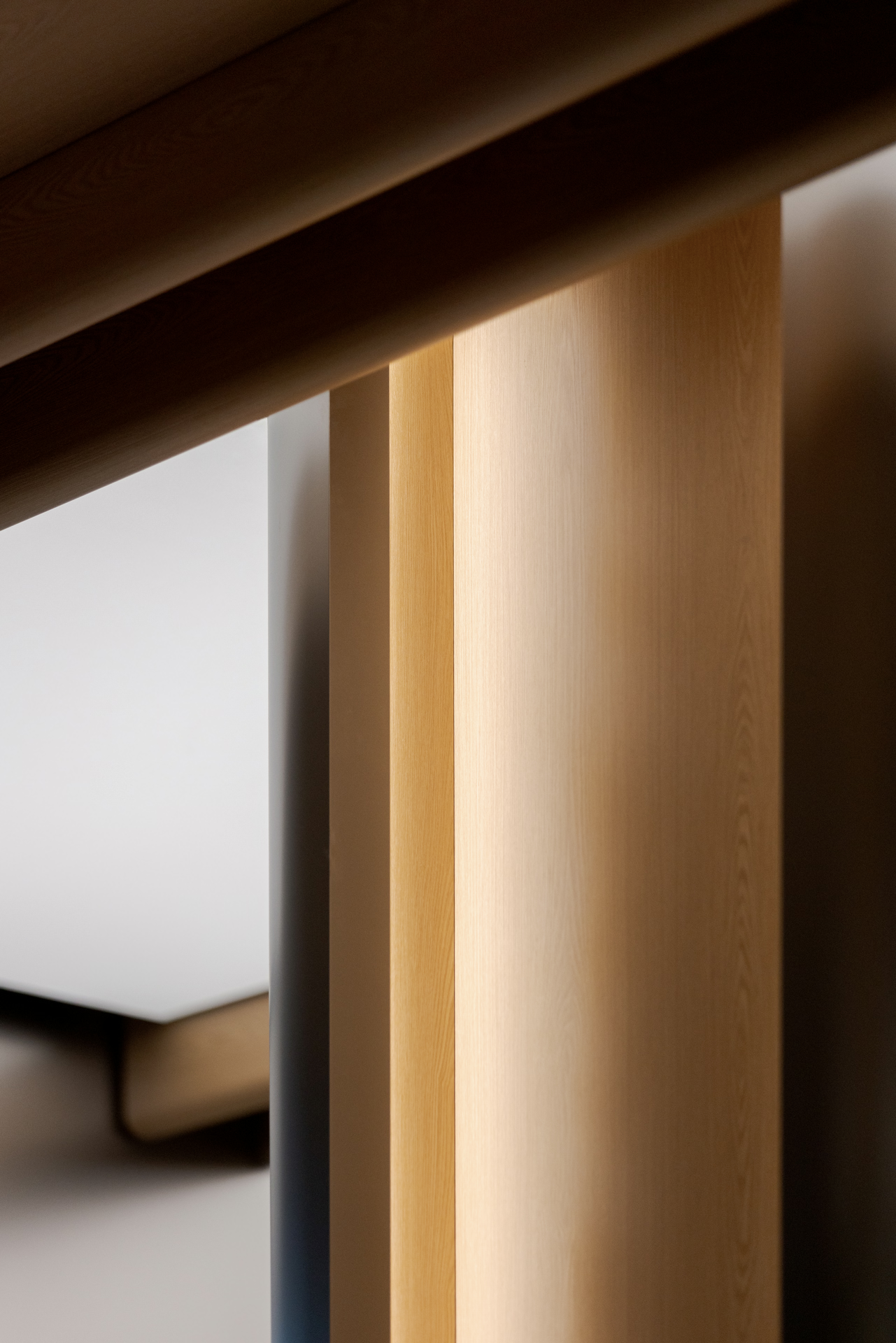
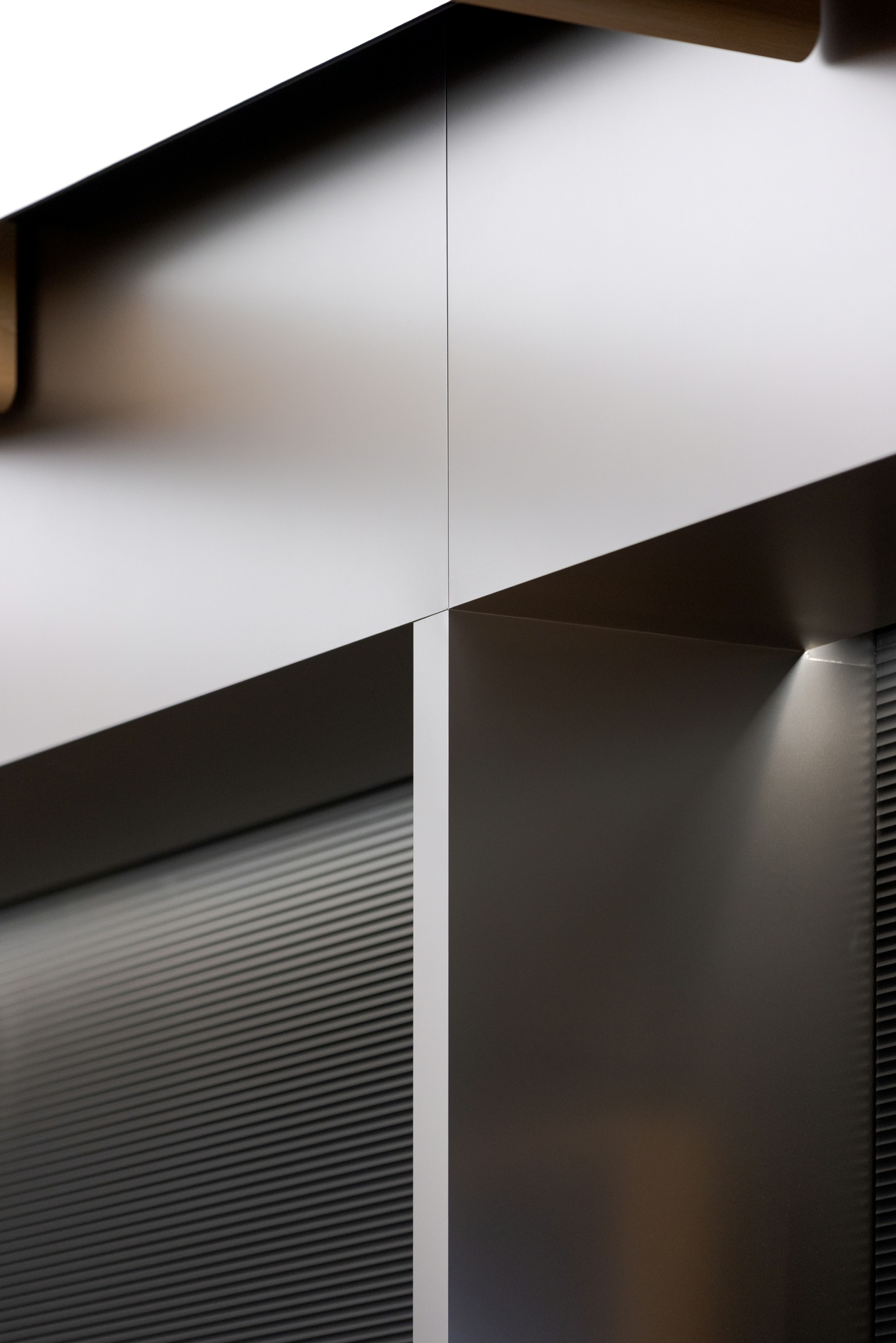
We built the space's materials and forms from the way robots themselves are made. Metal stands for precision, industry and the technical skeleton; wood brings touch, warmth and life. Together they form the material dialogue that runs through the space, matching the brand's two traits of futurism and vitality.
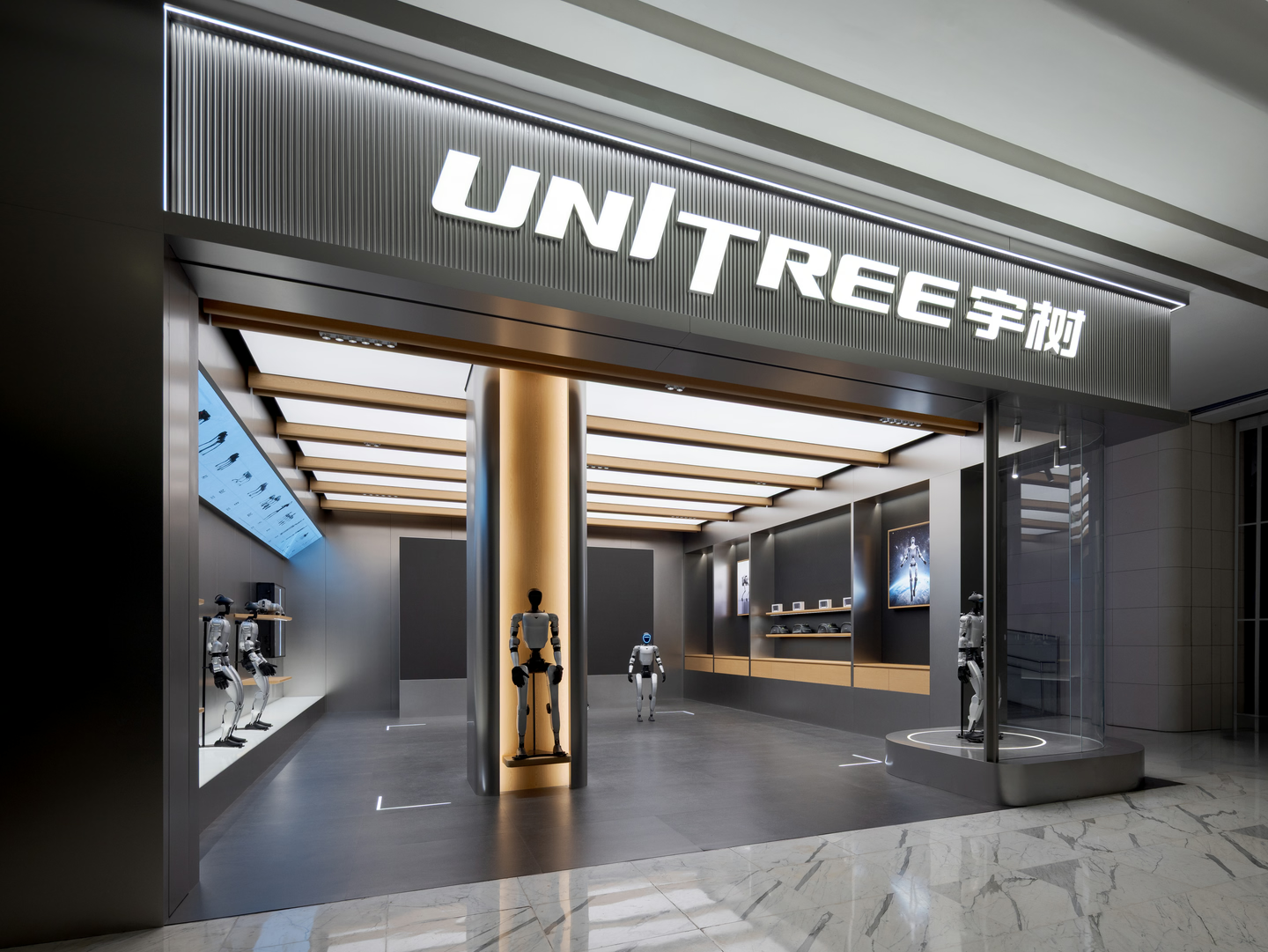
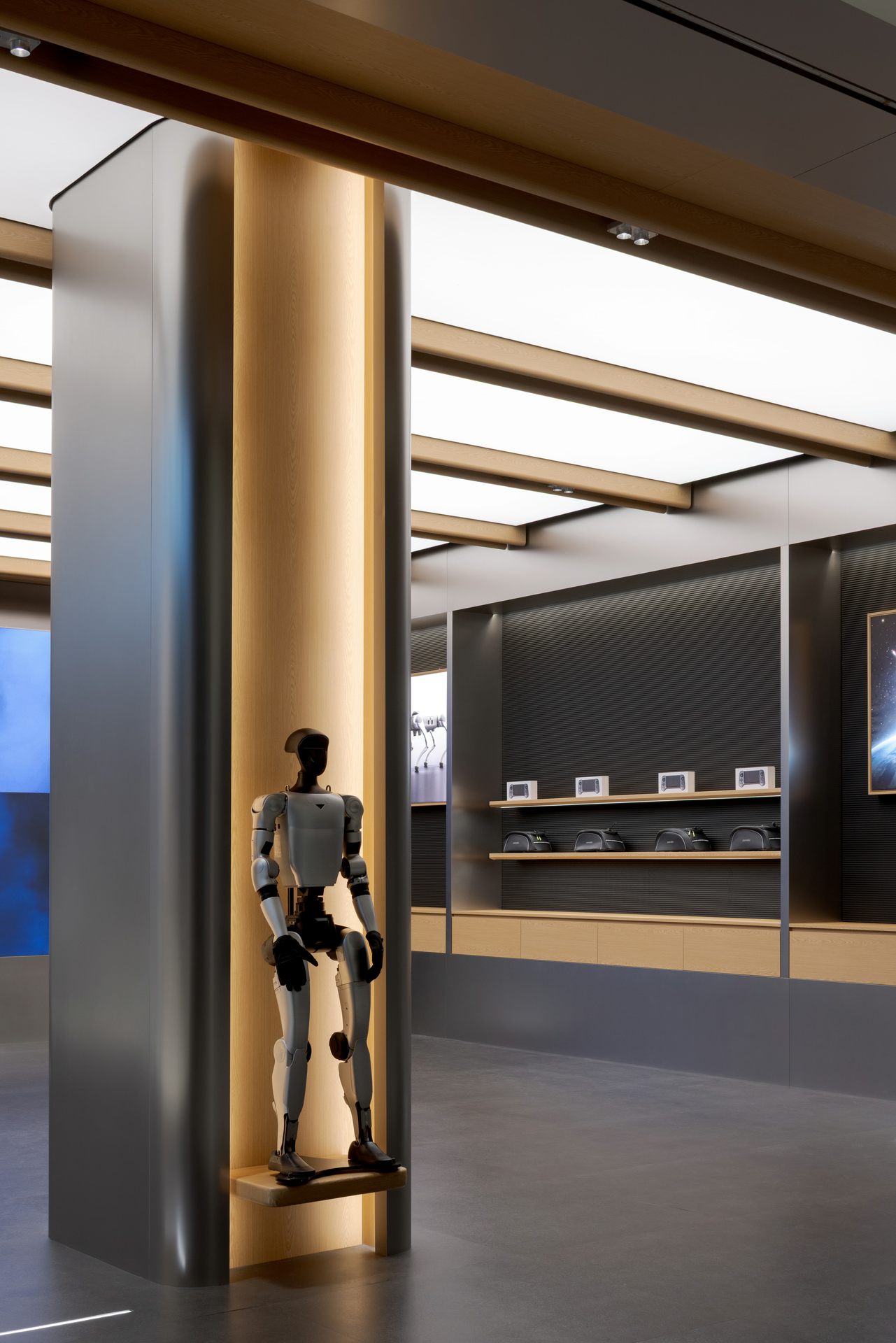
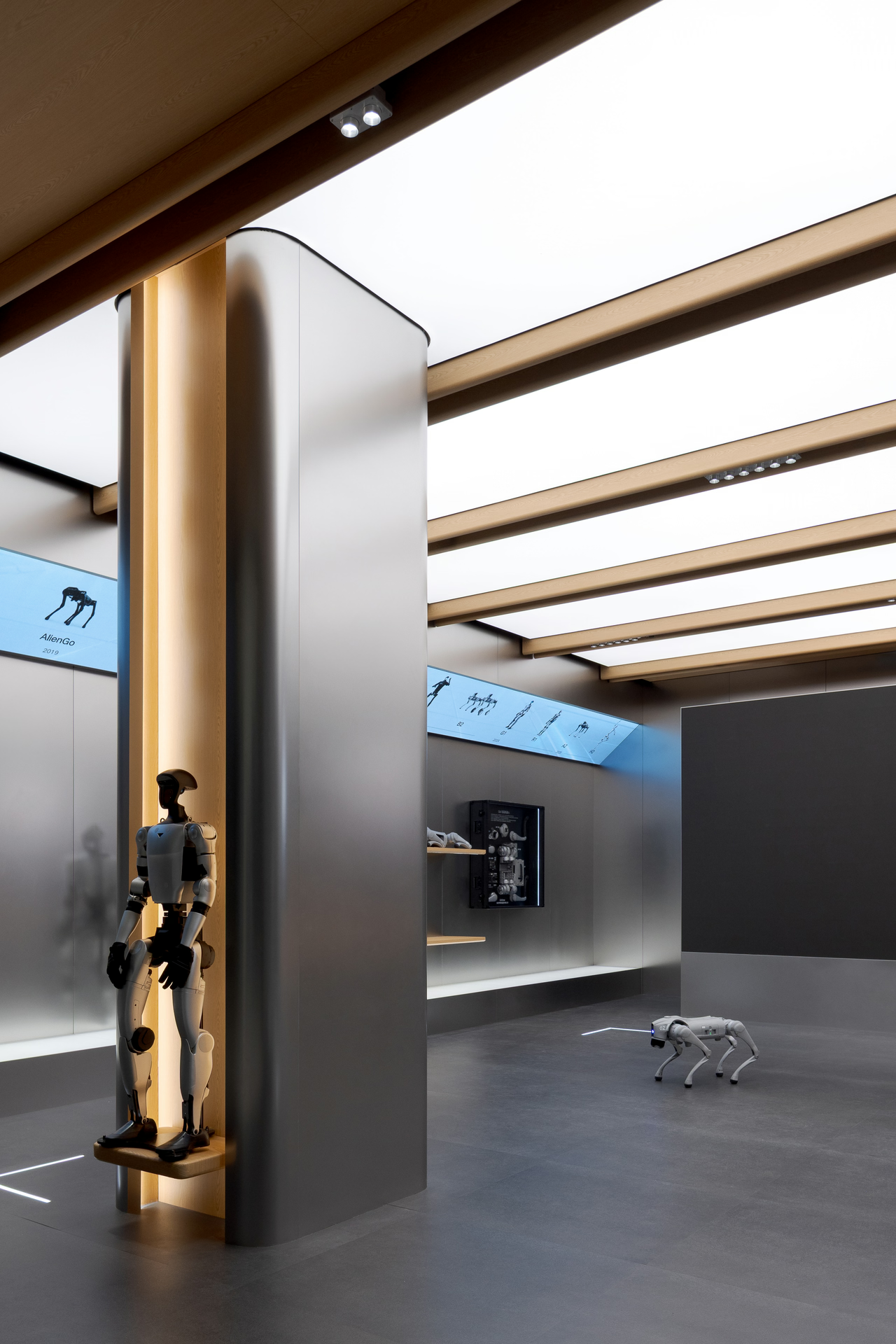
The site's only original structural column became the space's most symbolic piece: a capsule that seems to incubate robots. Rounded metal wraps a warm wooden core, a mechanical shell nested around natural grain, and a robot inside looks as if it rests in a vessel of life not yet fully opened. A structure that could not be removed becomes the visual origin of the space and a metaphor for birth: here digital intelligence gains a body, and machines begin to take on the forms and behaviour of living things.
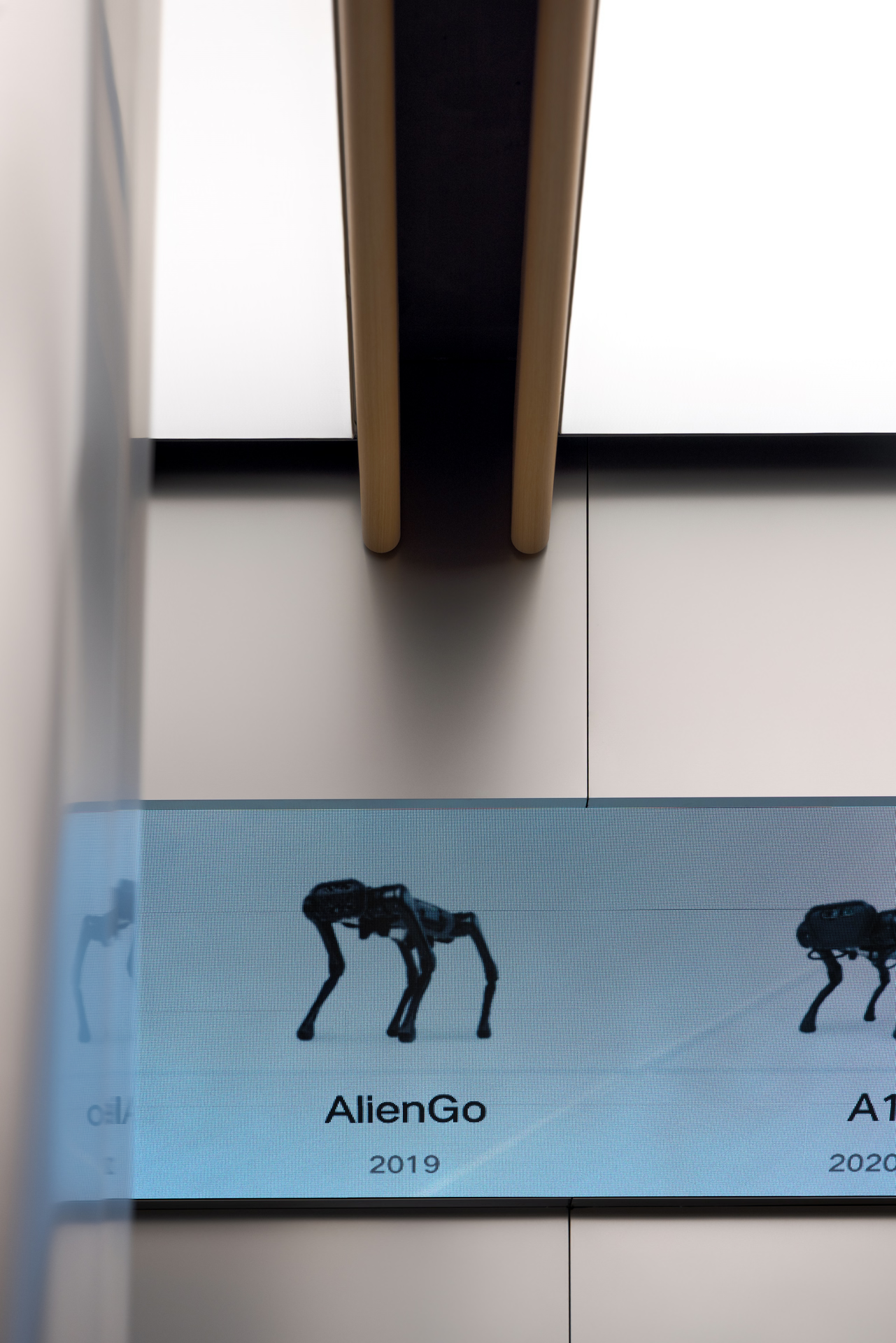
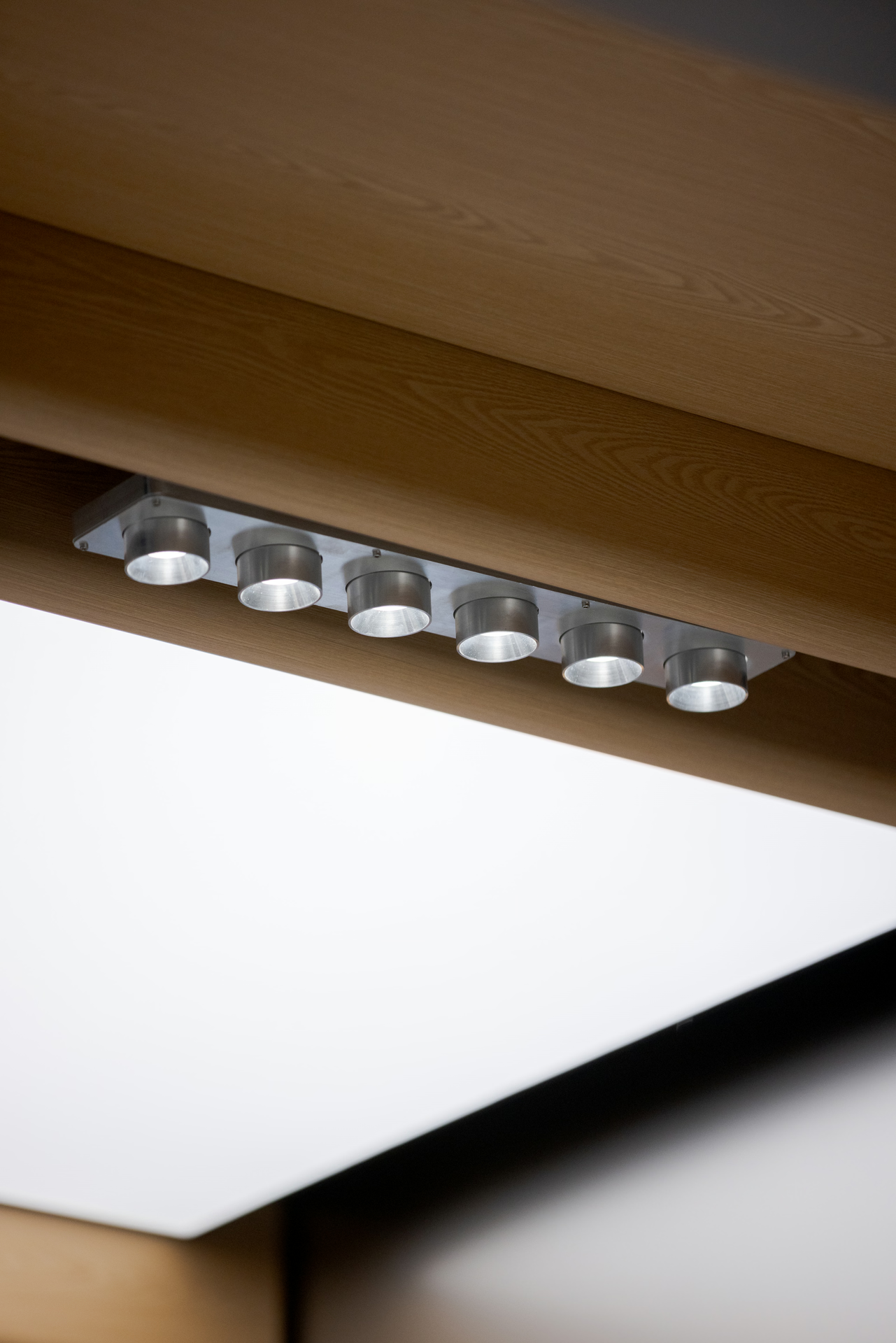
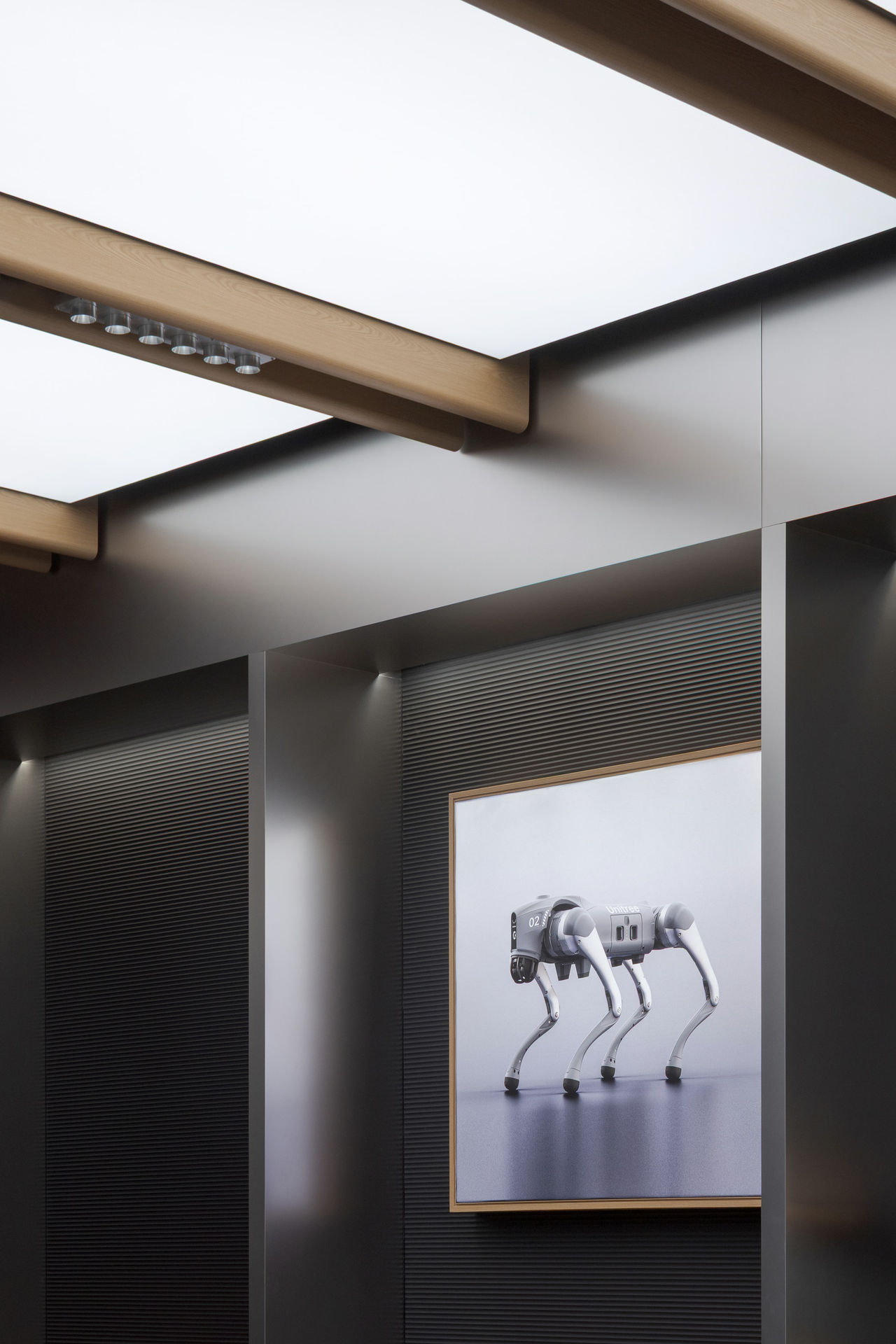
The same pairing continues across the ceiling. Large stretched-membrane panels give continuous, even light, divided rhythmically by timber members. The fittings themselves recede, so the space feels like one glowing environment, and the robots' outlines, structures and movements take centre stage.
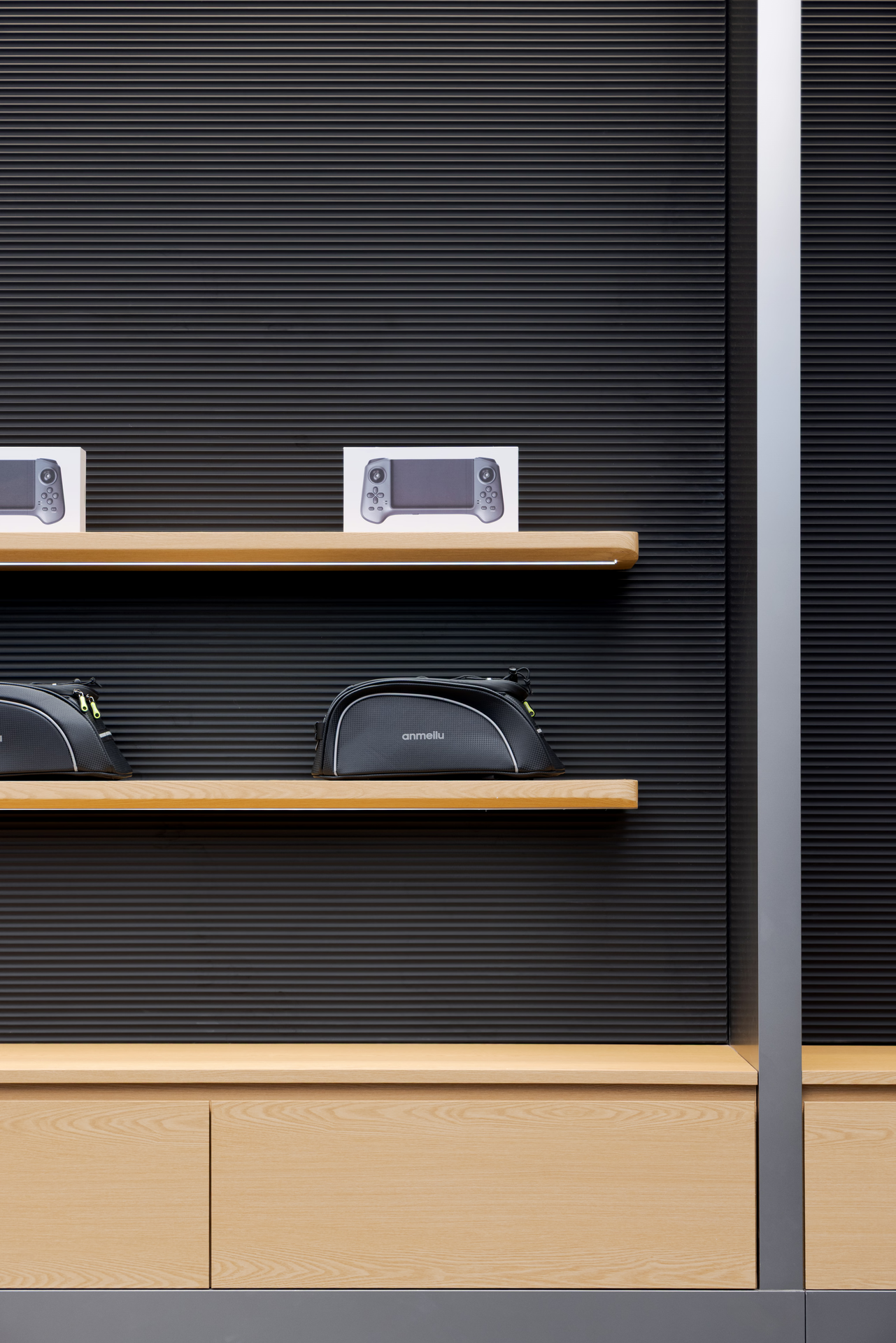
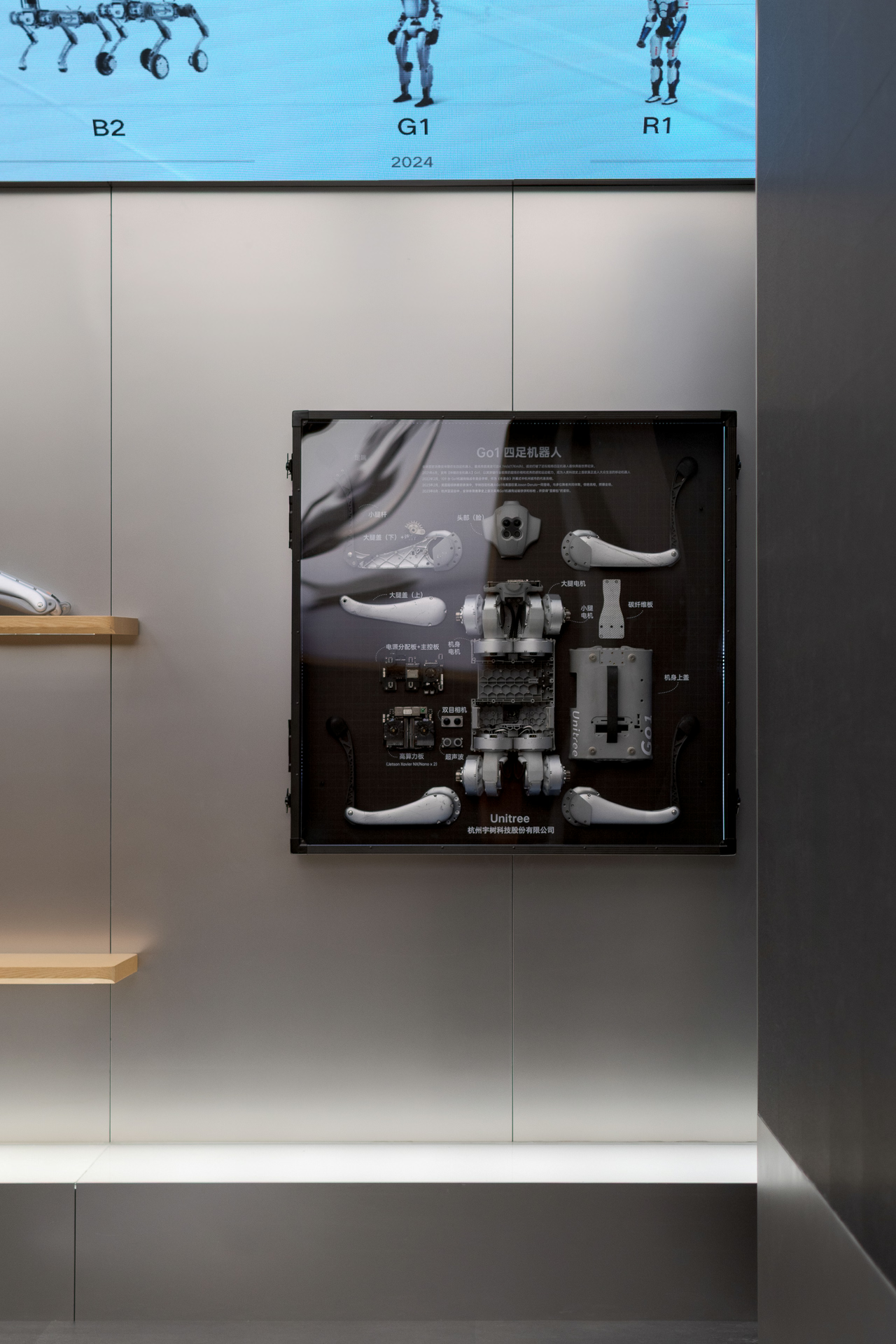
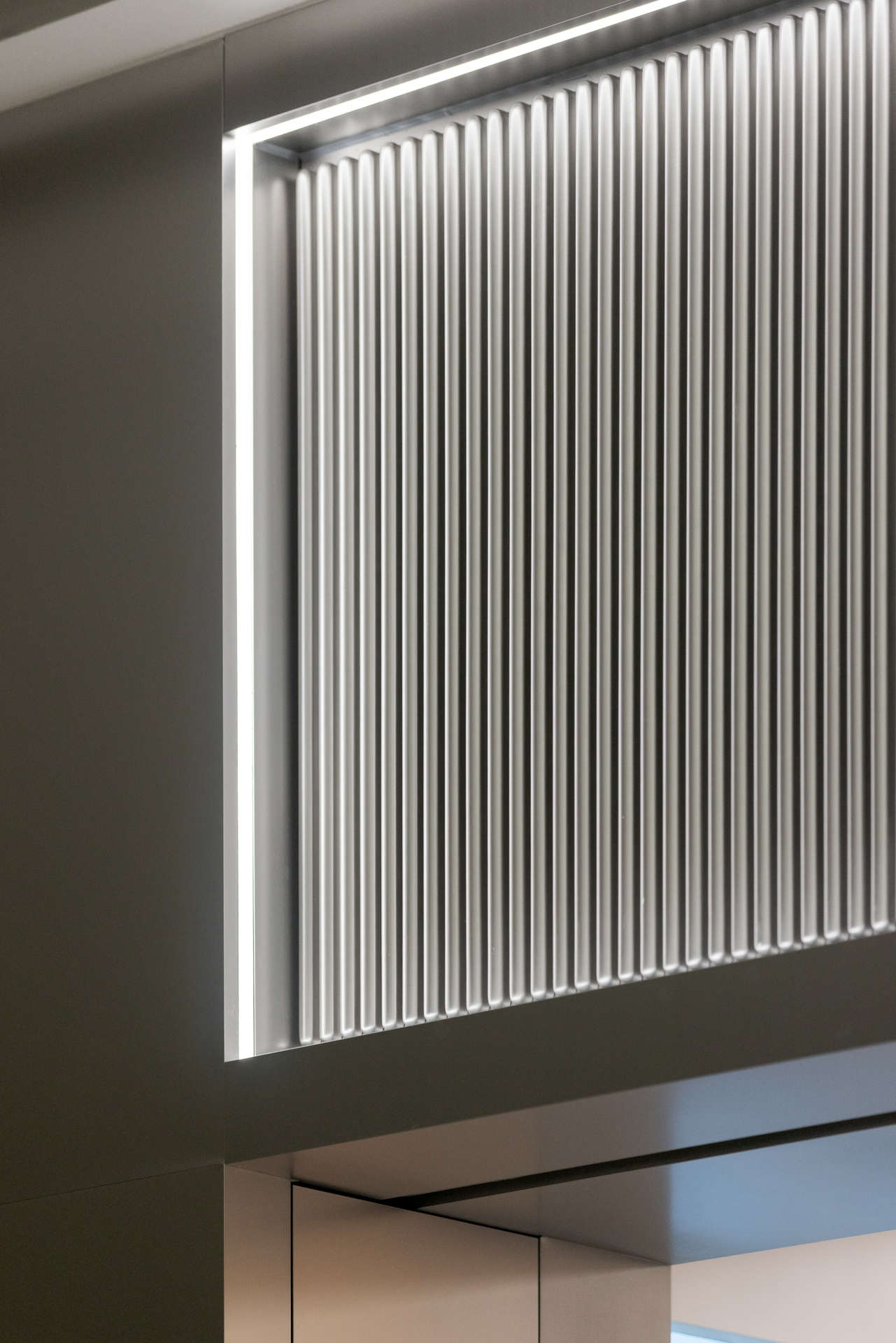
The display system speaks a quieter technical language. Illuminated platforms and flexible shelving form an adaptable infrastructure for ever-changing robots, accessories and content. Accessory cabinets are backed with black fluted glass, whose vertical ribs soften the flat reflections of plain glass and add depth in the shadows, so small precision parts stand out clearly.
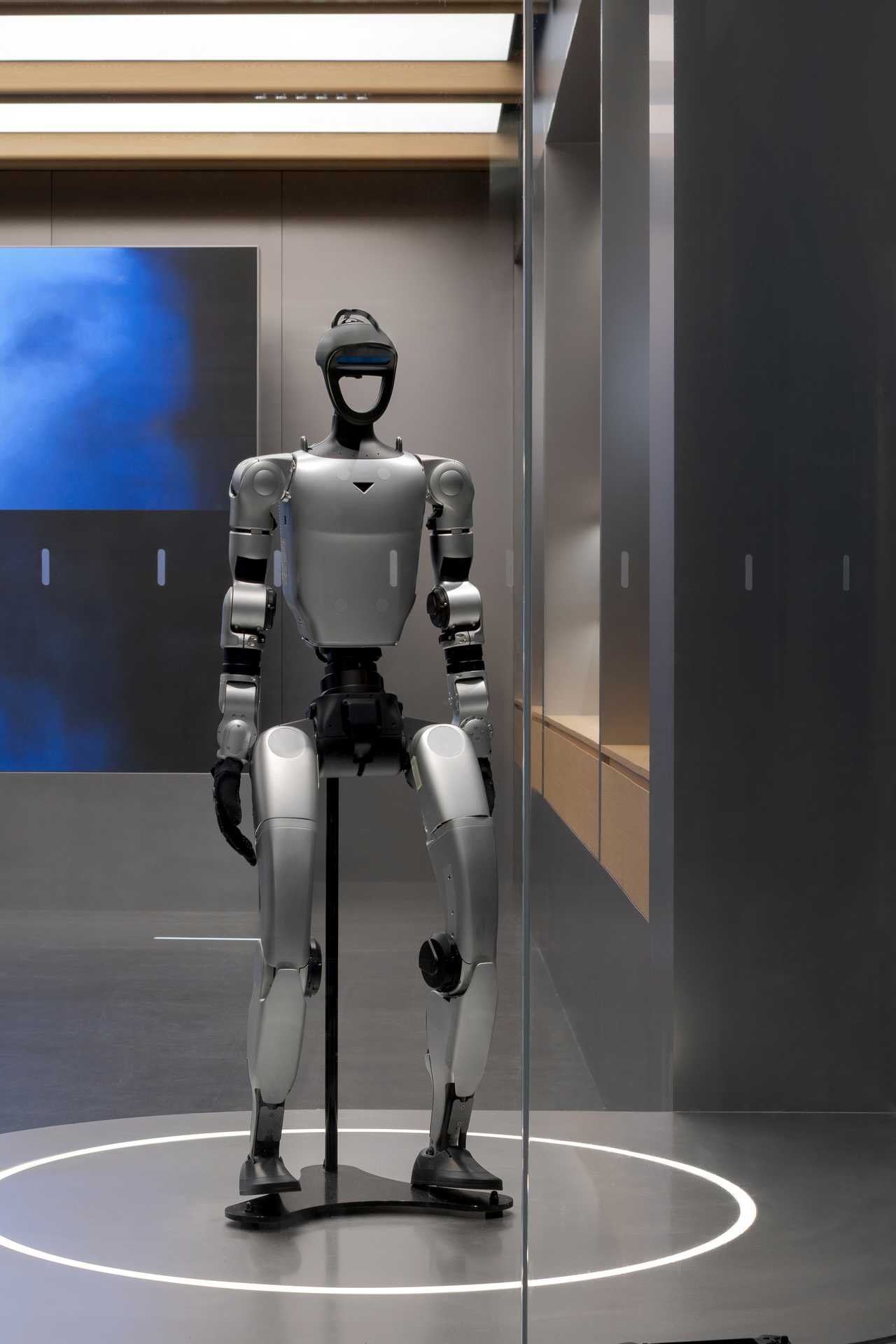
Large curved glass panels soften the hard frame of a conventional shop window, letting activity inside spill toward the city. Hero robots stand right at this transparent edge, visible from the street, while a textured, relief-like cladding gives parts of the façade a more solid skin in contrast with the clear glass.
Client
Unitree
Location
in88, Wangfujing, Beijing
Area
100 m²
Completion Date
2026.06
Design Firm
E Studio
Lead Designer
Fan, Junjian
Zhou, Xuanzhuo
Design Team
Hu, Yulong
Huang, Chenxi
Liu, Shuqi
Fang, Guiyun
Deng, Changyi
Zhou, Jing
Liu, Ying
Photographer
WM Studio